Introduction
Polymer flocculant is a water-soluble water treatment agent with large molecular weight. It aggregates the particles by neutralizing the surface charges of the particles suspended in water, and is further adsorbed and cross-linked by countless active groups to form larger and stronger aggregates. Polymer flocculants with this coagulation effect are widely used in the precipitation and suspension treatment of various wastewaters and the concentration and dehydration treatment of various organic sludges.
The Principle of Aggregation

Main Applications
Effective for sedimentation of suspended substances in various types of wastewater (water, paper, pulp, metal, civil engineering, mining, ceramics, chemicals, food, and other industries), pressure flotation, etc.
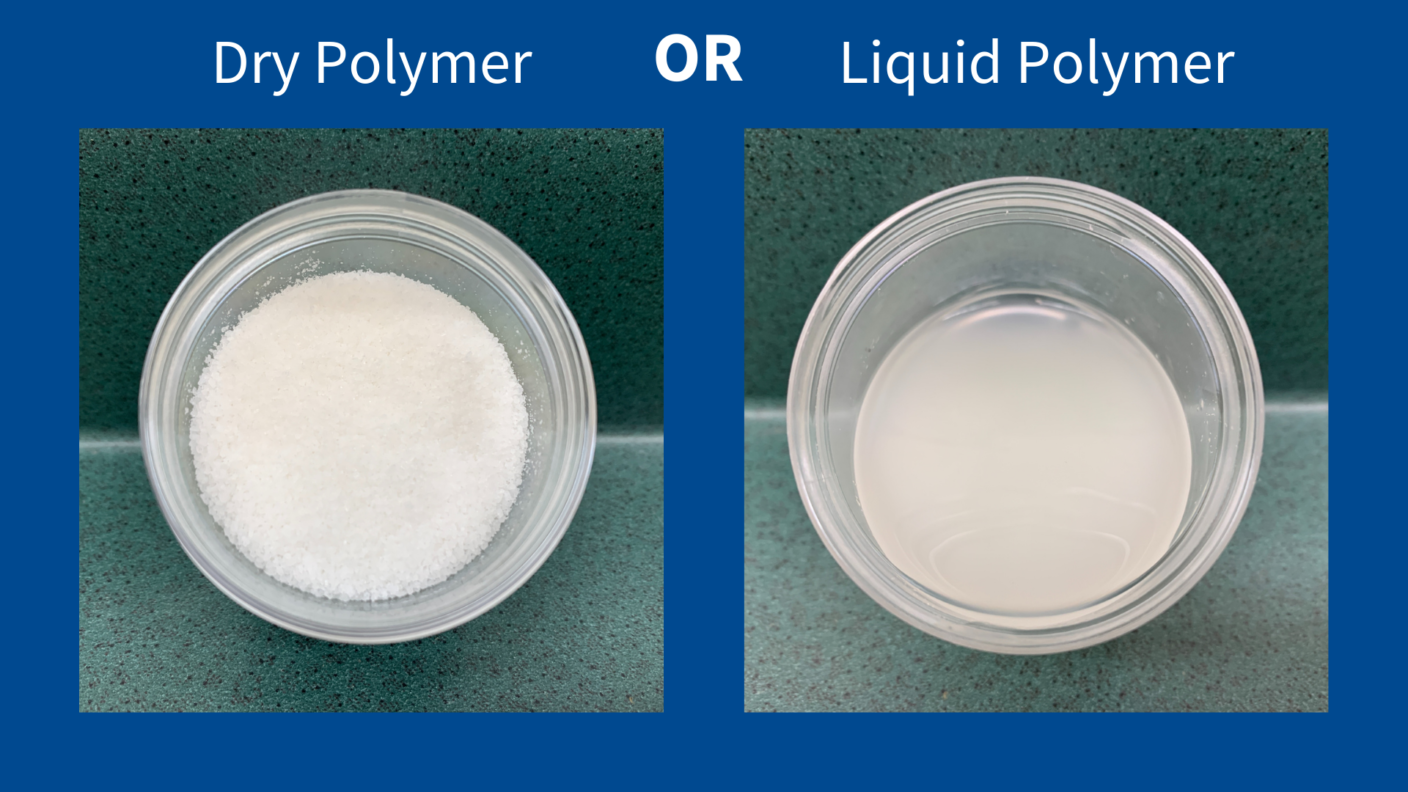
In waste water basin, it is used to coagulate suspended solids and produce large curds of solid materials (Floc). It should be diluted with water up to 0.5% concentration prior to application.
Polymer A separate solids from liquids through a process called flocculation. Due to the name of the process, you’ll hear these specific water-soluble polymers referenced as flocculants or polymer flocculants. The polymers’ ability to flocculate solids is central to its role in the water treatment. Most industrial process water or wastewater includes sediment and particles with a negative electric charge. The negative charge around each particle keeps them from coming together, creating colloidal dispersion. Negatively charged particles won’t come together and float in liquid suspension for hours, weeks, and even years. A simple example is muddy water created by aggregate producers who wash sand and gravel.
A coagulant added to muddy water creates a coagulation process that neutralizes the particles’ negative charge. Once neutralized, the particles can come together to form larger particles called micro-flocs or pin flocs.
Polymers (long-chained, high-molecular-weight, organic chemicals) are becoming more widely used. These can be used as coagulant aids along with the regular inorganic coagulants. Anionic polymer (negatively charged) polymers are often used with metal coagulants.
Wastewater treatment plants primarily use Polymers in the sludge drying process to help congeal small pieces of biosolids into larger ones. That is because the use of ferric- and aluminum-based compounds leaves biosolids fragmented and water-laden.
Category : WWT